
Blog
When to See a Doctor for Unexplained Weight Loss
A smaller number on the scales can sound like good news, particularly if weight has been difficult to manage in the past. But when weight is falling without a deliberate change in food intake, activity or treatment, it deserves proper attention. A doctor for unexplained weight loss can look beyond the number itself, listen to the wider story and identify whether further assessment is needed.
Unintentional weight loss is not a diagnosis. It is a symptom with many possible explanations, from stress and dental problems to an overactive thyroid, diabetes, digestive disease or, less commonly, cancer. The aim is not to assume the worst. It is to take a measured, thorough approach so that an important cause is not missed and you have clear guidance on what happens next.
## When should you see a doctor for unexplained weight loss?
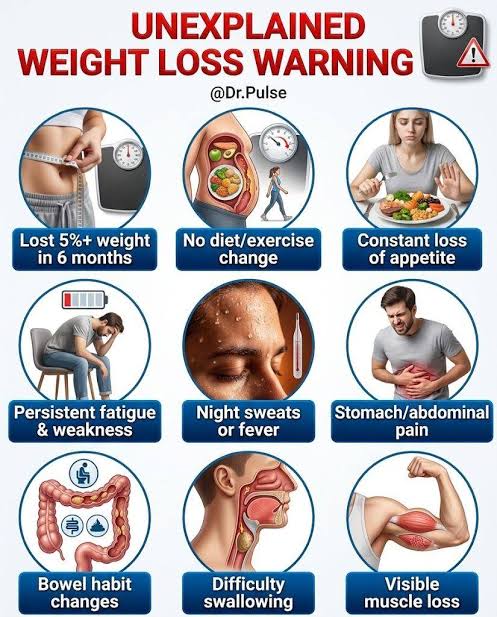
As a practical guide, losing more than 5% of your body weight over six to 12 months without trying should be discussed with a doctor. For someone who weighs 80 kg, this is around 4 kg. A smaller loss may still matter if it has happened quickly, continues over several weeks, or is accompanied by other symptoms.
Arrange a medical assessment promptly if weight loss comes with a persistent change in appetite, difficulty swallowing, ongoing diarrhoea, abdominal pain, vomiting, breathlessness, palpitations, new thirst or frequent urination. Night sweats, fevers, marked tiredness, lumps, bleeding, or a persistent cough should also be assessed rather than watched indefinitely.
Some situations need more urgent advice. Seek urgent medical help for severe chest or abdominal pain, vomiting blood, black stools, confusion, severe dehydration, jaundice, or sudden deterioration in your general condition. These symptoms do not always indicate a serious illness, but they should not wait for a routine appointment.
Older adults should be particularly alert to unplanned weight loss. It can contribute to frailty, falls and loss of muscle strength, even where the underlying cause is treatable. Equally, people who are overweight can develop significant illness while losing weight unintentionally. Starting weight does not make the symptom less relevant.
## What can cause weight loss without trying?
Weight changes often have more than one influence. A demanding period at work, bereavement, anxiety or low mood can reduce appetite, disrupt sleep and change daily routines. Alcohol intake, smoking changes and medication can affect appetite or metabolism too. These are real health factors, not signs that a person is simply “not eating enough”.
Physical causes vary widely. Thyroid overactivity can lead to weight loss alongside tremor, sweating, anxiety, diarrhoea or a racing heartbeat. Diabetes may cause thirst, frequent urination, fatigue and weight loss when blood glucose is high. Conditions affecting the stomach, bowel, liver or pancreas can interfere with appetite, digestion or nutrient absorption.
Chronic infections and inflammatory conditions are sometimes responsible. Heart, lung and kidney disease can also lead to reduced appetite and loss of muscle. Dental pain, poorly fitting dentures and swallowing difficulties may make eating harder than it first appears.
Cancer is one possible explanation, but it is not the most likely explanation for every person with weight loss. The likelihood depends on age, the amount and speed of loss, smoking history, family history and associated symptoms. A careful assessment should neither dismiss [cancer risk](https://www.essexmedicalcare.com/articles/why-early-cancer-detection-matters-understanding-the-benefits-of-screening) nor cause unnecessary alarm. It should investigate sensibly, based on the individual picture.
## Choosing the right doctor for unexplained weight loss
A GP is often the right first point of contact, particularly when symptoms are new or mild. They can review your history, examine you, arrange initial blood tests and decide whether referral is appropriate. If you have persistent symptoms, several medical concerns or would value a longer consultant-led review, a [private physician consultation](https://www.essexmedicalcare.com/consultations) can provide a broader assessment.
A consultant physician is trained to consider how symptoms from different body systems may fit together. This is useful when weight loss is accompanied by fatigue, digestive symptoms, blood-pressure changes, recurrent infections, altered bowel habit or concerns about medication. The right specialist is not necessarily the doctor who focuses on one organ from the outset. Often, the first need is an experienced general medical view.
At Essex Medical Care, Dr Naeem Ahmad FRCP provides unhurried, thorough medical care for adults who need help making sense of persistent symptoms. The consultation is designed around you: your weight pattern, medical history, family history, medicines, lifestyle, concerns and goals. If specialist tests, imaging or referral are needed, these can be discussed clearly rather than treated as an afterthought.
## What to expect at your appointment
The most useful information is usually in the timeline. Your doctor will ask when you first noticed the loss, whether it was sudden or gradual, and whether you have changed your diet, exercise, work pattern or medication. Bringing recent weights, if you have them, can help. So can a list of prescribed medicines, over-the-counter products and supplements.
You may be asked about appetite, swallowing, bowel habit, urinary symptoms, sleep, mood, pain, fevers and night sweats. Family history matters, especially where there is diabetes, thyroid disease, bowel disease or cancer. These questions may feel wide-ranging, but unexplained weight loss is exactly the kind of symptom that benefits from looking at the whole person.
A physical examination may include blood pressure, pulse, weight, muscle condition, lymph nodes, thyroid, heart, lungs and abdomen. Depending on the findings, initial investigations may include blood count, kidney and liver function, blood glucose, thyroid tests, inflammation markers and nutritional measures. A urine test, stool test, chest X-ray, ECG, ultrasound, CT scan or endoscopy may be appropriate in selected cases.
Not everyone needs every test. Testing should be guided by your symptoms and risk factors. Broad scans without a clinical reason can create incidental findings that lead to further anxiety and procedures, while too little investigation can delay an answer. Good care balances both risks and explains the reasoning.
## While you are waiting for answers
Try not to force large meals if your appetite is poor. Smaller, regular meals with protein and energy-rich foods can be easier to manage, particularly if weight loss is affecting strength. Keep hydrated, especially if you have diarrhoea, vomiting or a fever. Avoid starting weight-loss injections, restrictive diets or unregulated supplements while unintentional weight loss is being investigated unless a clinician advises otherwise.
Keep a short symptom record for one or two weeks. Note your weight once weekly under similar conditions, what you are managing to eat, bowel changes, temperature, sleep and any symptoms that appear after meals. This is not about monitoring every mouthful. It gives your doctor useful patterns that are easy to forget during an appointment.
If anxiety is affecting your appetite, mention it openly. Mental health deserves the same careful assessment as physical symptoms, and anxiety can exist alongside a medical condition. You should not be expected to choose one explanation before seeking help.
## A result is the start of a plan
Sometimes tests identify a clear and treatable cause quickly. At other times, initial results are reassuring but symptoms need review over the following weeks. Both outcomes can be appropriate, provided there is a clear safety-net plan: what to monitor, when to return and which changes should prompt earlier contact.
Your health deserves exceptional care, especially when a change feels difficult to explain. Unplanned weight loss is worth investigating with calm attention, not guesswork. A timely conversation with an experienced doctor can turn an unsettling symptom into a clear, individual plan for your next steps.
At Essex Medical care, we take unexplained weight loss seriously and investigate it as a medical emergency.If you need advice, you can e mail or book consultation via www.essexmedicalcare.com