
Blog
Family History Cancer Risk Assessment Explained
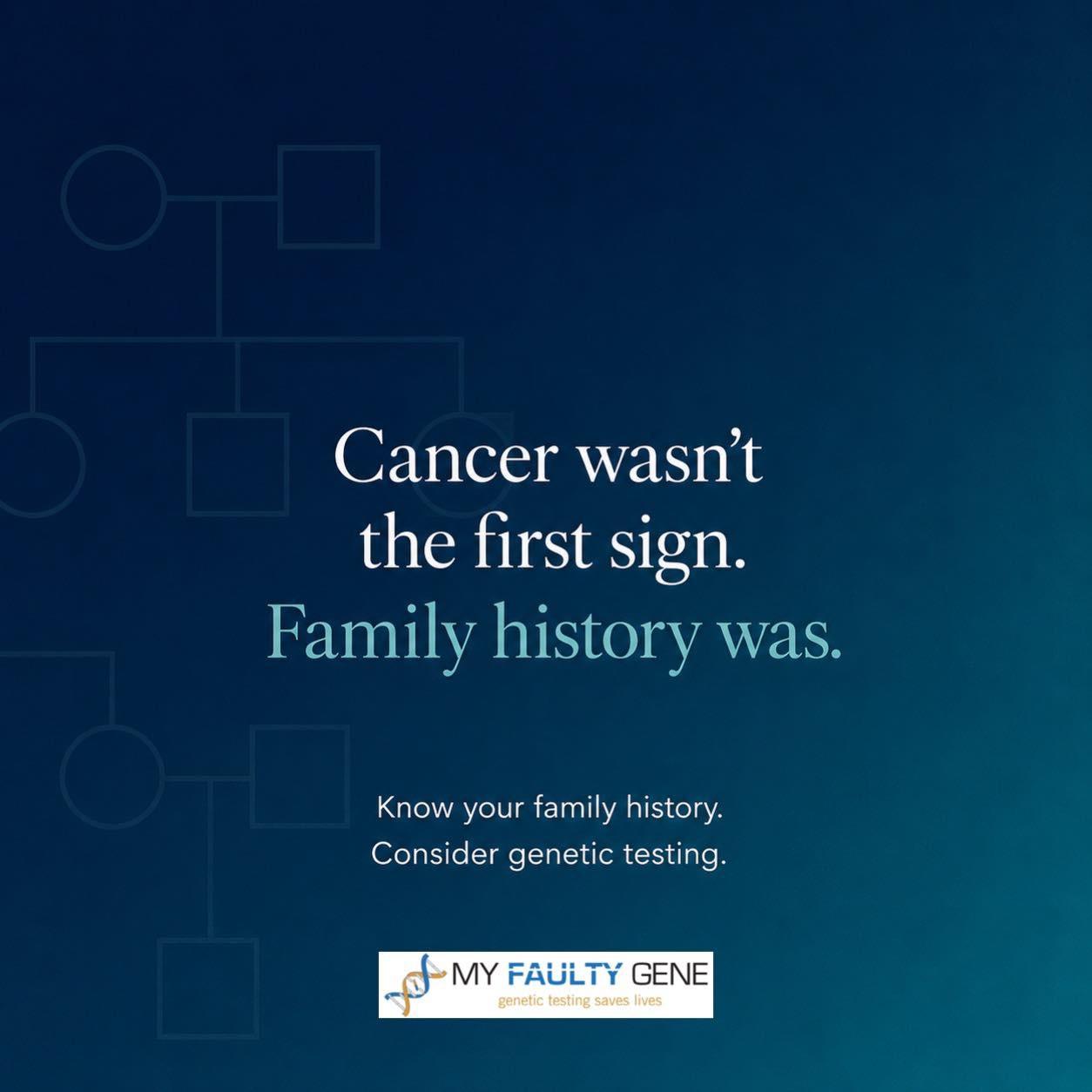
A diagnosis of cancer in the family can leave people with a difficult question: “Could this happen to me?” A family history cancer risk assessment provides a structured, clinically informed way to answer that question. It looks beyond a single relative or a single type of cancer, helping identify whether your pattern of family history is likely to reflect inherited risk, shared lifestyle factors, chance, or a combination of these.
For many people, the most reassuring outcome is that their risk does not suggest a known inherited cancer syndrome. For others, an assessment may lead to earlier or more tailored screening, genetic counselling, or testing. Either way, the aim is clarity and a sensible plan, rather than unnecessary worry.
What does a family history cancer risk assessment involve?
Cancer is common, particularly at older ages. Having one relative with cancer does not automatically mean that a cancer gene runs in the family. A consultant assessment considers the full picture, including which relatives were affected, the type of cancer diagnosed, and their age at diagnosis.
You may be asked about parents, siblings, children, grandparents, aunts, uncles and cousins on both sides of the family. Details are most useful when they are as accurate as possible: the exact cancer type, whether someone had more than one cancer, their age at diagnosis and, where known, any genetic test result in the family.
The assessment also considers your own medical history, current symptoms, medicines, smoking history, alcohol intake, weight, physical activity and previous screening. Healthcare is designed around you, so the outcome should reflect your individual circumstances rather than applying a one-size-fits-all checklist.
Patterns that may warrant closer assessment
Certain family patterns are more likely to justify specialist advice. These include several close relatives with the same or related cancers, cancer diagnosed at a younger age than expected, a relative with two separate primary cancers, or a known pathogenic genetic variant in the family.
Examples can include clusters of breast, ovarian, prostate and pancreatic cancer, which can sometimes be linked to BRCA-related conditions. A combination of bowel, womb, ovarian or certain other cancers across generations can occasionally suggest Lynch syndrome. This does not establish a diagnosis. It simply indicates that the pattern deserves careful review.
It also matters which relative was affected. A parent, sibling or child is a first-degree relative and generally has greater relevance to your risk than a more distant relative. However, several affected relatives on one side of the family can still be significant, even if none is a first-degree relative.
Why age at diagnosis changes the picture
Cancer diagnosed in later life is often sporadic, meaning it occurred without an inherited cancer predisposition. By contrast, cancer occurring at a young age can be a reason to look more closely, particularly when there are several affected family members.
There is no single age cut-off that applies to every cancer. A consultant will interpret the information in context. For example, breast cancer in a close relative before the age of 50 may carry different implications from a diagnosis in their eighties. Similarly, bowel cancer in a parent in their forties may alter screening discussions for adult children.
This is why it is helpful not to rely on internet risk calculators alone. They can be useful prompts, but they cannot always account for incomplete family information, differing cancer types, ethnicity, personal health factors or the clinical significance of a relative’s genetic result.
What may happen after your assessment?
A family history assessment does not always lead to genetic testing. Testing is most informative when it begins with a relative who has had the relevant cancer, where this is possible. If a genetic alteration is identified in that person, other relatives can then have targeted testing for the same alteration.
When a family history is significant, next steps may include referral to an NHS clinical genetics service, discussion of private genetic counselling, or a personalised screening plan. This might involve breast imaging at an earlier age, enhanced breast surveillance for some higher-risk women, or earlier bowel assessment in selected circumstances.
Testing also has limits. A negative result does not always remove all increased risk, particularly where the family pattern remains strong but no identifiable genetic cause is found. Equally, a positive result does not mean cancer is inevitable. It means that screening, prevention and treatment decisions can be made with better information.
A thoughtful discussion before testing matters. Genetic results may affect relatives as well as the person tested, and some people prefer time to consider what they would do with the result before proceeding.
Screening is valuable, but symptoms should not wait
Screening is designed for people without symptoms. It can detect some cancers earlier, when treatment may be simpler and outcomes are often better. However, screening does not replace medical assessment if you have noticed a change in your health.
Persistent changes in bowel habit, rectal bleeding, unexplained weight loss, a new breast lump, abnormal vaginal bleeding, blood in the urine, difficulty swallowing, a cough that does not settle, or a changing mole should be assessed promptly. These symptoms are common and usually do not mean cancer, but they should not be explained away because you are below screening age or have had a recent normal screening result.
An experienced consultant physician can take a broader view when symptoms overlap with other health concerns. Unexplained weight loss, tiredness and recurrent infections, for example, may have many possible causes and require unhurried, thorough medical care rather than assumptions.
Reducing risk where you can
Genes cannot be changed, but many influences on cancer risk can be addressed. Avoiding tobacco, limiting alcohol, keeping active, eating a balanced diet and maintaining a healthy weight all support long-term health. These measures cannot eliminate inherited risk, yet they remain worthwhile whether or not genetic testing is appropriate.
Weight deserves particular attention because excess weight is associated with a higher risk of several cancers, as well as high blood pressure, type 2 diabetes and heart disease. Sustainable weight management is not about a short-term diet. It requires a plan that considers medical conditions, medications, mobility, sleep, eating patterns and realistic personal goals.
For patients considering GLP-1 injections or other prescription weight-loss treatment, medical supervision is particularly valuable. A consultant can assess suitability, monitor blood pressure and metabolic health, manage side effects, and investigate symptoms that may not simply be treatment-related. Weight loss should support better health without overlooking a new or persistent medical problem.
Preparing for your appointment
You do not need a perfect family tree before seeking advice. Bring what you know, and ask relatives for details if they are comfortable sharing them. It can help to write down the type of cancer, age at diagnosis, side of the family and whether anyone has had genetic testing.
Be honest about uncertainties. “My aunt had a gynaecological cancer in her fifties” is still useful information, even if you do not yet know whether it was ovarian, womb or cervical cancer. A clinician can advise which missing details would make the greatest difference and whether it is appropriate to obtain hospital letters or death certificates where available.
If you are concerned about a family pattern, or would value a fuller review of your personal risk and current health, Essex Medical Care offers consultant-led assessments with Dr Naeem Ahmad FRCP. Appointments are available in Buckhurst Hill, Hornchurch and Brentwood, with time to discuss your history and the most appropriate next steps.
If you have uncontrolled blood pressure, dizziness, memory problems, falls, confusion, chest infections or urine infections, seek medical advice without delay. If you cannot obtain a GP appointment, urgent same-day appointments may be arranged with Dr Ahmad at Westland Medical Centre in Hornchurch by telephone on 01708 205149 or Essex Medical Care on 07444 551683.
Family history is information, not a prediction. A careful assessment can turn uncertainty into a proportionate plan, giving you the confidence to focus on the checks and health choices that are genuinely right for you.